Insurance-Ready Leak Resolution
Water Leak Repair London
The repair is where the claim stops paying and your own money starts. Almost every escape of water settlement draws the same line: the damage the water caused is claimable, the component that failed is not. Knowing which side of that line each part of the job falls on, before anyone starts cutting, is the difference between a predictable bill and an argument at settlement.
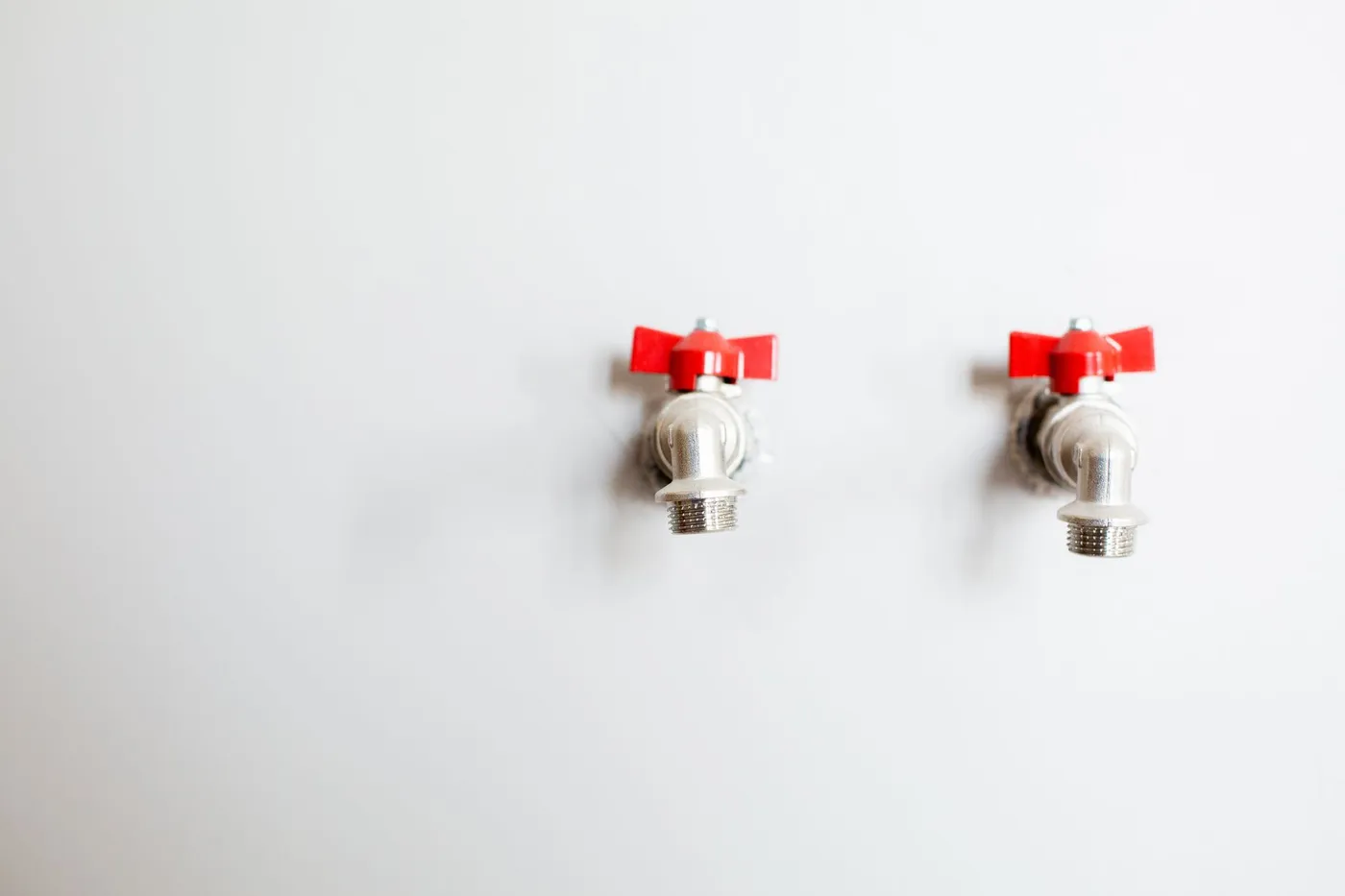
Why the repair is invoiced on its own
| Invoice line | How it is treated | When it is settled |
|---|---|---|
| Confirming the failure before repairing it | Detection line, kept separate on purpose | Ahead of any repair quote |
| Temporary make safe | Mitigation, and the wording expects it of you | Same attendance |
| Permanent repair to the failed section | Usually uninsured, and invoiced as its own line | Quoted once the failure is exposed |
| Access taken to reach the repair | Trace and access, not part of the repair figure | Recorded while the opening is open |
| Drying and repairing the damage | The escape of water line, subject to your excess | Scoped on moisture readings |
Fee basis, not a quote, and not a statement of what your own policy covers. Our detection figure is fixed and confirmed in writing before anyone travels.
We repair what we find, usually on the same visit, because our engineers are qualified plumbers carrying pipe and fittings rather than surveyors who hand you a list. What we also do is invoice in separable lines, so the detection, the access, the reinstatement and the pipe repair are four identifiable figures rather than one lump an adjuster has to unpick.
Across London the same failures recur: corroded compression olives on old copper, split flexible tails under basins, perished shower tray seals, pinholed microbore behind plaster, and screeded heating loops that fail where they were kinked at installation. Each has a different repair, a different access cost and a different likely answer on cover.
Our pricing is structured around the trace and access investigation and the subsequent repair, with all line items clearly detailed for insurance cost recovery. We provide transparent, comprehensive quotes upfront.
What you get
- Full documentation suite for insurer submission, including timestamped photos and moisture readings.
- Precise trace and access procedures to minimise destructive investigation, keeping costs recoverable.
- Detailed report mapping the leak source and path, essential for claim justification.
- Repairs conducted to industry standards, with certification provided for your insurer's records.
- Coordination with loss adjusters, providing clear technical briefings on the cause and remedy.
- Final validation report confirming the repair integrity and the cessation of water ingress.
How it works
A method, not a guess
01
Confirm the failure before committing to a method
We open only where the survey says, then verify the failure visually before deciding how to repair it. A pinhole on an accessible run and a kinked loop under 75mm of screed are different jobs with very different reinstatement costs.
02
Price the repair separately, and let you decline it
The repair is quoted after the leak is found and carries no obligation. Keeping detection and repair apart is what stops a diagnosis being shaped by what it can be billed at afterwards.
03
Repair to a standard that will not repeat
Like for like where the existing pipework is sound, replacement of the failed section where it is not, and a straight recommendation where a run is at the end of its life rather than a patch that fails again next winter.
04
Separate making good from betterment
Restoring what was opened is part of the access. Upgrading a floor, retiling a whole bathroom or replacing sound pipework beyond the failure is improvement, and insurers treat it differently. We state which is which so nobody is surprised at settlement.
05
Certify and document the completed work
What failed, what was replaced, what was reinstated and what was deliberately left alone, with photographs before and after, so the repair can be evidenced later if the same area is ever questioned.
Six things to settle before the repair starts
Agree which lines are claimable before anyone cuts
A leak produces four distinguishable costs: the survey, the opening up and making good, the repair of the failed component, and the damage the water caused. Your policy treats them differently and two of them are usually yours. Settling which is which before work begins converts a nasty surprise at settlement into a decision you made knowingly. Ask any contractor to quote in separable lines rather than a single figure, because a lump sum invoice is one an adjuster cannot assess and will therefore query.
Separate making good from betterment deliberately
Restoring what was opened is part of the access. Replacing an entire floor because two discussions were lifted, retiling a whole bathroom to match a small repair, or renewing sound pipework along a run beyond the failure is improvement. Insurers generally indemnify you back to the position before the loss rather than fund an upgrade, so improvement normally comes with a contribution from you. None of that is unreasonable. It only becomes a problem when nobody names it until the settlement letter arrives.
Do not close up the evidence before it is recorded
Once a repair is made and the floor is back down, the state of the failed component becomes unverifiable. Keep the cut out section of pipe or the failed fitting rather than skipping it. Photograph the failure in position before it is disturbed. If a loss adjuster intends to inspect, ask before reinstating. Stopping the water is different and should not wait, since mitigating further damage is normally expected of you, but full reinstatement can usually wait a day and often should.
Ask whether a patch or a section replacement is the honest answer
A pinhole in a thirty year old microbore run is rarely a one off. Repairing the visible failure on pipework that is corroding along its length produces a second call out within a year and, worse, a second claim on the same system, which insurers notice. A straight contractor will tell you when a run is at the end of its life even though replacing it is not a claimable line. It is better to hear that while the floor is up than after it has gone back down.
Get the drying specified, not assumed
Structural drying is its own discipline and a repaired pipe in a wet floor is a mould claim waiting to happen. Establish who is doing it, with what equipment, and on what evidence it is considered complete. Moisture readings at identified points before and after are what demonstrate the structure actually dried rather than merely looking dry. Where an insurer is appointing a drying contractor, the detection record of where moisture had travelled is directly useful to them.
Check who owns the pipe before you pay to repair it
Not every pipe on your side of the wall is yours. Externally, the water company generally owns the communication pipe up to the boundary and you own the supply pipe from the boundary inwards, though several suppliers will repair or contribute to a first external supply pipe leak, so it is worth ringing them before commissioning anything. In flats, pipework serving more than one unit is frequently communal and therefore the freeholder's responsibility even where it physically runs through your property. Paying to repair someone else's pipe is a mistake that is difficult to undo.
Compare like for like
The line an insurer is least likely to pay
In most wordings the failed pipe is the policyholder's own cost while the damage it caused is the insurer's. That makes the repair the single line most likely to be scrutinised, and a repair invoice that quietly absorbs detection, access and making good invites the whole document to be questioned rather than part of it to be settled.
| What to check | A one line invoice | A repair first firm | Emergency Leak Detection 247 |
|---|---|---|---|
| Confirming before repairing | The repair is priced from an assumption, and a wrong assumption reappears as a second visit. | Work starts at the damp patch, which is a symptom and frequently some distance from the failure. | The failure is located and recorded before a repair is quoted, so the repair addresses a documented cause rather than the nearest evidence of one. |
| Detection kept off the repair invoice | Absorbed, so the element that might have been covered is no longer identifiable. | Absorbed. | Invoiced as its own line, because trace and access can only respond to a figure it can see. |
| Access recorded while open | Not recorded, and the reinstatement figure then has nothing behind it. | Not recorded. | What was opened, why it had to be opened and what was behind it, photographed in sequence at the time rather than reconstructed for the bill. |
| Permanent repair or a holding measure | Unclear from the paperwork, which becomes a problem if the same run fails again. | A patch described as a repair. The distinction matters when an insurer asks whether the loss was properly remedied. | Named for what it is, and where a holding measure is appropriate the permanent work is quoted alongside it. |
| Price fixed before work starts | An hourly rate that grows with the visit. | A headline figure that grows once the floor is up. | Confirmed in writing before anyone travels, and it does not move because the job took longer than we expected. |
| Damage scope evidenced | By eye, which understates saturation in floor voids and overstates it in plaster. | By eye. | Moisture readings at identified points, recorded, so the drying and reinstatement scope is argued from measurement. |
| Consistency across documents | One document describing everything vaguely. | A repair invoice that describes the failure differently from whatever the detection visit concluded. | Detection findings and repair description use the same language about the same failure, because inconsistency between two of your own documents is the easiest thing for an assessor to notice. |
| Standing behind the work | Hard to pursue once the invoice is settled. | A return visit charged as a new job. | The repair is warrantied in writing and the terms are stated on the invoice, so a recurrence is a known position rather than a negotiation. |
What claimants ask
The questions policyholders and agents ask most
Repair discussions on the DIY and insurance discussions are rarely about plumbing technique. They are about money that turned out not to be claimable, evidence that was thrown in a skip, and the second leak that arrived six months after the first.
Bills that could not be separated at settlement
A frequent complaint involves a single invoice covering detection, access, repair and reinstatement as one figure, which the insurer then cannot assess and queries in full. Posters describe weeks of back and forth to break down work that was completed months earlier. Our take is that separable lines cost nothing to produce at the time and are close to impossible to reconstruct credibly later, so ask for them before the work starts rather than when the settlement stalls.
The betterment conversation that happened too late
Threads where a homeowner expected a whole floor or a full retile and received a contribution towards a partial reinstatement instead. The replies explain indemnity: you are put back to the position before the loss rather than upgraded. Our take is that this is entirely reasonable and entirely avoidable as a surprise. Name which parts of the reinstatement are improvement before anyone starts, and decide knowingly whether you want to fund them.
The failed pipe that went in the skip
A pattern that only becomes visible months later: cause is questioned, and the one object capable of answering has been disposed of. Board regulars now advise keeping the cut out section. Our take is that it takes a plastic bag and it is the difference between a mechanism you can demonstrate and a mechanism you can only assert. A clean split reads very differently from a corroded pinhole, and that difference is exactly what a gradual deterioration argument turns on.
Repairs to pipework that was never theirs to repair
Posts about leaseholders paying to fix communal pipework, or homeowners repairing an external supply leak that the water company would have contributed to. The public discussion advice is to establish ownership before commissioning anything, including ringing your water supplier about external supply pipe leaks. Our take is that this is the cheapest check available and the hardest mistake to undo once the money has been spent.
The second leak on the same run
A steady stream of posts about repairs that held for a few months before the next pinhole appeared somewhere else on the same pipework. Replies point out that corrosion is a condition, not an event. Our take is that the honest answer is sometimes that a run is at the end of its life even though renewing it is not a claimable line, and hearing that while the floor is still up is considerably better than hearing it afterwards.
Questions
Asked before every booking
Which parts of a repair bill can I normally claim?
Broadly, the opening up, the making good of what was opened, and the damage the water caused to the building. Broadly not, the replacement of the failed pipe, joint, hose or seal. Your own schedule is the authority and wordings differ, so read it rather than relying on any contractor's summary, including ours. Our part is to invoice in lines that let you see which is which.
What is betterment and why does it matter to me?
Betterment is where reinstatement leaves you better off than before the loss, for example a whole new floor when one board was lifted, or new pipework along a run that was sound. Insurers generally indemnify you back to the pre loss position rather than fund an upgrade, so any improvement usually comes with a contribution from you. Deciding that consciously, in advance, is much better than discovering it in a settlement letter.
Can you repair on the same visit as the survey?
Most of the time, yes. Our engineers carry pipe, fittings and the common failure parts, so an accessible repair is normally completed once the leak is located and the quote is accepted. The exceptions are underground supply runs needing excavation, screeded heating loops requiring a drain down and cure time, and anything where a communal or third party pipe means somebody else has to authorise the work.
Should I repair before the loss adjuster has inspected?
Mitigating further damage is normally expected of you, so stopping the water is not something to wait on. Full reinstatement is different. If an adjuster intends to inspect, photograph everything thoroughly, keep the failed component rather than skipping it, and ask your insurer before the evidence is closed up. We record the state of things before we touch them for exactly this reason.
The leak was in a pipe that serves my neighbour. Who repairs it?
That depends on the demise and the lease rather than on who found it. Pipework serving more than one flat is frequently communal and therefore the freeholder's or management company's responsibility, even where it physically runs through your property. We will pin the origin down and describe the run accurately. Who owns it is then a matter for the lease, and the managing agent should be notified in writing straight away.
How do you price reinstatement of what you opened?
Separately from the repair, and quoted before it happens. Making good a lifted floor, a cut ceiling or a chased wall is part of the access rather than part of the plumbing, and it is frequently the larger of the two figures where finishes are involved. Keeping it on its own line matters because the access and making good is the part a trace and access extension is written for, while the pipe repair generally is not.
What if the damage turns out to be worse than it looked?
We stop and tell you before spending your money on it. Water travels, and a stain on a ceiling can sit above a saturated joist end or a wet wall cavity that nobody could see from below. Where the scope grows materially we re quote rather than continue, and where the additional damage is significant we would normally suggest pausing so your insurer can see it in that state, since it is easier to claim for what an adjuster has been shown than for what has already been repaired.
Does home insurance pay to repair the pipe that leaked?
Usually not. Most escape of water sections respond to the damage the water caused, and a trace and access extension responds to finding the leak and to the access and making good needed to reach it. Replacing the failed pipe, joint, hose or seal itself typically falls outside both. Wordings differ, so check your own schedule. The practical consequence is that you should ask which category your suspected failure falls into before the survey, because an accessible joint and a buried supply run are very different sums.
What is betterment in an escape of water claim?
It is any part of the reinstatement that leaves you better off than you were before the loss. A whole new floor where one board was lifted, a full retile to match a small patch, or new pipework along a sound run. The principle of indemnity puts you back to the pre loss position rather than funding an upgrade, so an insurer will generally either exclude the improvement or ask you to contribute towards it. Deciding that consciously in advance is far better than discovering it at settlement.
Can the leak be repaired on the same day it is found?
Most accessible repairs, yes. Our engineers carry pipe, fittings and the parts that commonly fail, so once the leak is located and the quote is accepted the work usually proceeds immediately. The exceptions are underground supply runs requiring excavation, screeded heating loops that need a drain down and cure time, and anything on communal or third party pipework where somebody else has to authorise the work first.
Should I wait for the loss adjuster before repairing?
Stop the water immediately, because limiting further damage is normally a condition of your policy. Full reinstatement is a different question. If an adjuster intends to inspect, photograph everything thoroughly, retain the failed component, and ask your insurer before the evidence is closed up. Once a floor goes back down the state of the failure becomes unverifiable, and that is the evidence a gradual deterioration argument would be tested against.
The leaking pipe serves my neighbour's flat. Who repairs it?
That is determined by the demise and the lease rather than by whose ceiling it came through. Pipework serving more than one flat is frequently communal and therefore the freeholder's or management company's responsibility, even where it runs within your property. An independent survey that pins down the origin and describes the run accurately is what settles the argument. Notify the managing agent in writing as soon as you suspect it, because the correspondence trail matters as much as the finding.
How do I stop the same leak recurring after the repair?
Establish whether the failure was an event or a symptom. A split caused by freezing or a fitting that was never tightened correctly is an event, and a like for like repair resolves it. Corrosion pinholing, limescale damaged seals or a system running at consistently high pressure are symptoms of a condition that will produce the next failure elsewhere. A pressure test, a look at the rest of the run and an honest recommendation about renewal is what distinguishes the two.
London-wide
Covering all 33 boroughs
Related services
Leak Detection
Hidden leak in a London property? We locate it without demolition, then set out cause, origin and damage in a trace and access report for your insurer.
Learn moreBurst Pipes
Burst pipe in a London property? We isolate the supply, price the repair before travelling and record the damage and cause for your insurance claim.
Learn moreEmergency Plumber
Bursts, failed stop taps and blocked toilets across all 33 London boroughs.
Learn moreWater going somewhere it shouldn’t?
Tell us the symptoms and your postcode. We’ll confirm the visit, the fixed detection fee and the arrival window before you commit to anything.
Book a detection visit