Underfloor Heating Leak Signs, Repair, and Insurance Trace & Access
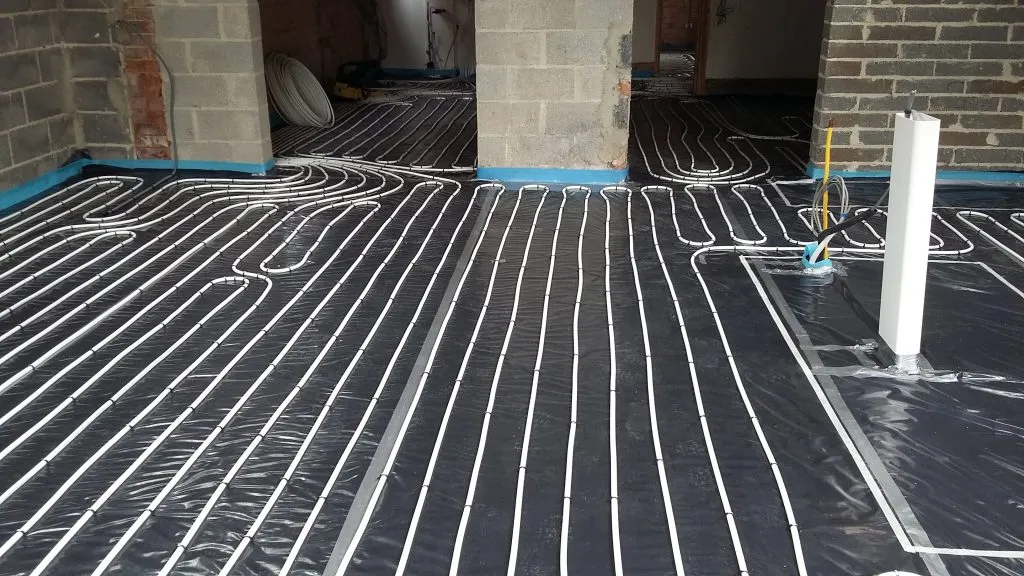
Spotting an underfloor heating leak early is crucial. We detail the signs, our precise detection process, and how we document everything for your insurer's Trace & Access claim.
Recognising the Signs of an Underfloor Heating Leak
Underfloor heating leaks often manifest subtly before causing major damage. A persistent drop in system pressure, requiring frequent top-ups, is a primary indicator. You may notice damp patches or areas of flooring that feel unusually warm or cold, or see unexplained localised warping in wooden floors. A musty smell or visible mould growth can also point to moisture from a slow leak. Crucially, a sudden increase in your energy bills, as the system works harder to compensate for lost water and heat, can be a telling sign. Catching these symptoms early is key to minimising disruption and repair costs.
Our Systematic Leak Detection & Documentation Process
When you suspect a leak, our engineers follow a meticulous, non-invasive procedure designed to satisfy insurer requirements. We begin with a thorough visual inspection and pressure testing to confirm a leak exists. For precise location, we use advanced acoustic listening devices, thermal imaging cameras to map temperature anomalies, and tracer gas detection. This approach allows us to pinpoint the leak with minimal disruption, often without unnecessary floor removal. Throughout, we document every step with detailed notes, photographs, and sensor readings. This creates a clear, auditable trail that demonstrates the necessity of the work undertaken, which is fundamental for the Trace & Access claim.
Navigating Insurance Trace & Access for Cost Recovery
Most building insurance policies include 'Trace & Access' cover, which is specifically for the cost of finding the source of a leak and gaining access to it for repair. It is distinct from the cost of repairing the leak itself. Our role is to provide the robust evidence your insurer needs. We prepare a comprehensive report that outlines the suspected cause, the diagnostic methods used, the exact location found, and the necessary access work. This report justifies the incurred costs for detection and limited, targeted excavation. We frame our findings in the language insurers understand, focusing on the steps taken to prevent further damage and limit costs, which supports a smoother claims process and helps you recover our fees under this cover.
Targeted Repair and Reinstatement
Once the leak is precisely located and documented, we can proceed with a targeted repair. This minimises the area of flooring or screed that needs to be lifted. Our engineers repair or replace the faulty section of pipe, then pressure-test the fix to ensure integrity. Following this, we oversee the reinstatement of the floor, ensuring it is returned to its original condition. The entire process, from detection to reinstatement, is managed with a focus on procedural clarity. We keep you and, if required, your loss adjuster informed at each stage, ensuring all actions are transparent and justifiable for the final claim settlement.
How we help with this
If the article describes a problem you actually have, these are the visits that deal with it.
- trace and access surveys
The survey and written report an insurer or loss adjuster asks for.
- central heating leak detection
For a boiler losing pressure or a circuit that will not hold.
- our full guide to leak detection
How each method works and when it is the wrong tool for the job.
Frequently asked questions
Does my home insurance cover the cost of finding an underfloor heating leak?
Typically, yes, under 'Trace & Access' cover. This part of your policy is specifically for the cost of locating the source of a leak and gaining access to it. It is separate from the cost of the actual repair. We provide the detailed documentation insurers require to validate and settle this part of your claim.
Why is detailed documentation so important for my insurance claim?
Insurers require clear evidence that the work undertaken was necessary, proportionate, and focused on damage limitation. Our methodical reports, with photos and diagnostic data, create an audit trail. This proves the leak existed, shows our systematic approach to finding it with minimal disruption, and justifies the costs for your Trace & Access claim, facilitating smoother cost recovery.
Can you repair the leak without destroying my entire floor?
Absolutely. Our primary goal is precise location using non-invasive and minimally invasive techniques like thermal imaging and acoustic detection. This allows us to pinpoint the leak accurately, meaning we only need to lift a small, targeted section of flooring or screed for repair. This controlled approach is less disruptive and is viewed favourably by insurers as it limits reinstatement costs.