How to Repressurise a Boiler: A Guide for Insurance Claim Accuracy
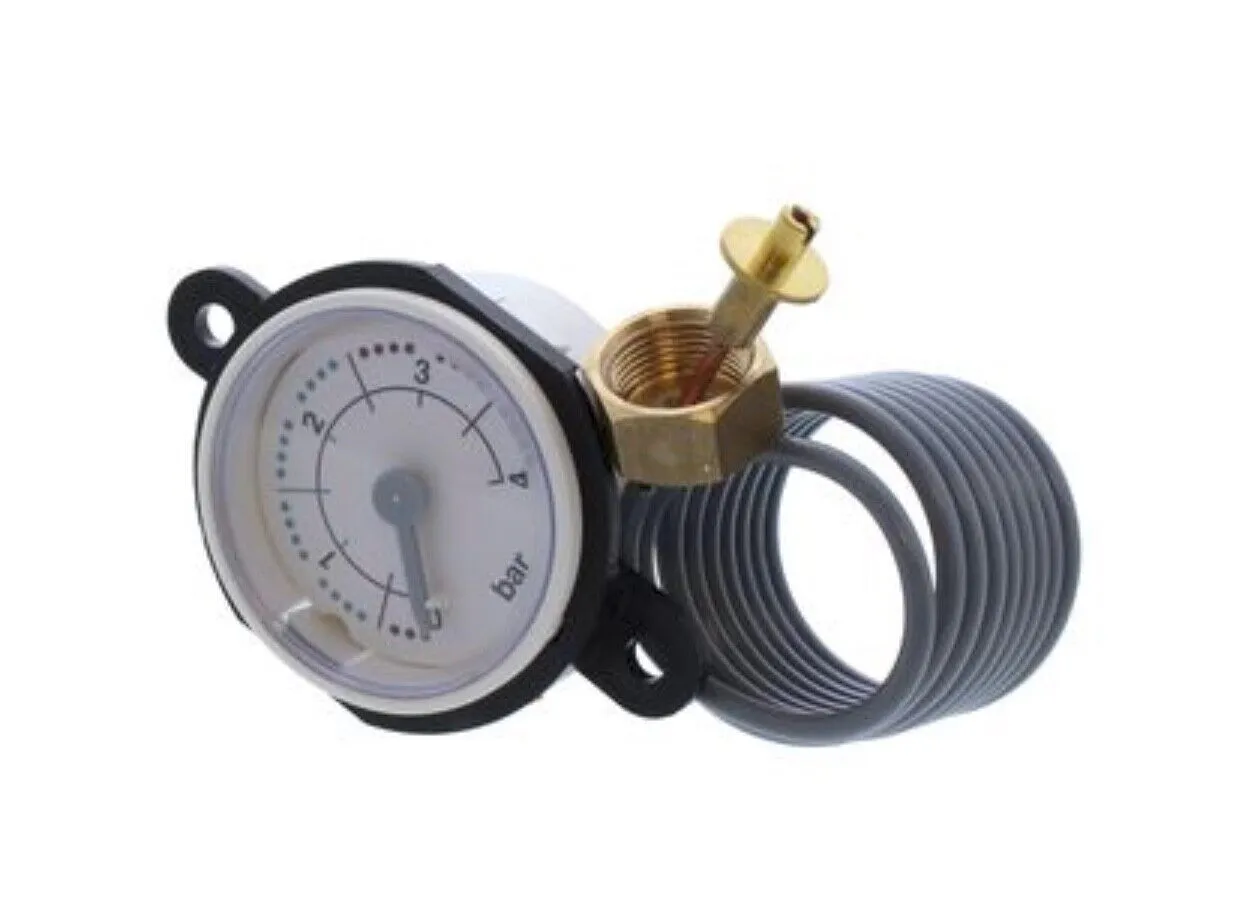
Learn the correct steps for boiler repressurisation to satisfy insurer documentation needs and ensure accurate cost recovery after a leak detection visit.
Why Correct Boiler Repressurisation Matters for Your Claim
Following a leak repair, particularly one involving drain-down or work on your central heating system, your boiler's pressure will often need correction. For insurers, this process is more than a simple technical step; it's a critical part of the 'reinstatement' phase under a trace and access claim. Proper procedure and documentation here ensure that the full scope of work is captured for cost recovery, demonstrating that the system was returned to its pre-leak, working order.
Our engineers frequently attend jobs where an initial leak has been fixed, but the boiler has not been correctly recommissioned, leading to further call-outs and complications for the claim. Insurers require a clear, logical sequence of events from leak detection to full system restoration. Skipping or incorrectly performing final steps like repressurisation can raise questions about the completeness of the work, potentially affecting your claim.
The Step-by-Step Guide to Repressurising Your Boiler
First, ensure all repairs are fully complete and any system vents are closed. Locate the filling loop, which is often a flexible braided hose with two levers, connecting two pipes beneath your boiler. Always refer to your boiler's manual for model-specific instructions, as procedures can vary. Generally, you will slowly open both valves to allow mains cold water into the heating system, while watching the pressure gauge on the boiler's front.
The target pressure is typically between 1.0 and 1.5 bar when the system is cold. Once reached, close both valves securely. It is then vital to bleed all radiators to remove air introduced during the filling process, starting from the ground floor and working upwards. After bleeding, you may need to top up the pressure slightly again. Finally, restart your boiler and check it is firing correctly, with no error codes displayed.
We emphasise that this process should only be undertaken if you are confident and the leak repair is verified as sound. If there is any doubt, or if the pressure continues to drop, this indicates a residual issue that must be addressed. Our role in insurance work is to provide a definitive solution; repressurising over an ongoing leak merely masks the problem and creates a cycle of call-backs that insurers will query.
Documenting the Process for Your Insurer
Thorough documentation is key. When our engineers complete a repressurisation as part of a leak repair job, we provide clear notes and often photographic evidence showing the final stable pressure reading on the gauge. This forms a logical endpoint to our report, illustrating that the system has been returned to a functional state. For policyholders managing the process themselves, we advise keeping a simple log: note the time, date, initial pressure, final pressure, and that radiators were bled.
This record supports the narrative that all necessary actions were taken to fully resolve the incident. Insurers look for this closure. Without it, they may question whether the claim is truly complete, potentially delaying settlement or challenging ancillary costs. The goal is to demonstrate a clear, contained event with a full and professional resolution, leaving no room for ambiguity about further damage or necessary follow-up work.
How we help with this
If the article describes a problem you actually have, these are the visits that deal with it.
- our full guide to leak detection
How each method works and when it is the wrong tool for the job.
- insurance leak claims
What escape of water cover pays for, and what it does not.
- central heating leak detection
For a boiler losing pressure or a circuit that will not hold.
Frequently asked questions
Why is boiler repressurisation specifically mentioned in trace and access claims?
Repressurisation is often the final step in reinstating a heating system after a leak-related drain-down. Insurers require proof that the system was returned to its normal working order to consider the claim complete. It demonstrates the full scope of remedial work, aiding in accurate cost recovery for all tasks performed.
What should I do if the boiler pressure keeps dropping after I repressurise it?
A continued pressure drop indicates an ongoing leak or fault within the system. Do not repeatedly top up the pressure, as this can be seen as mitigating further damage without addressing the root cause. Contact a professional leak detection specialist to identify the source. For your claim, it's crucial to resolve the underlying issue definitively.
How do your engineers document boiler repressurisation for an insurance report?
Our documentation includes the initial system state, details of the repair, and proof of successful reinstatement. This features a note of the final stable pressure reading, often with a supporting photograph, and confirmation that radiators were bled. This creates a clear, auditable trail that the work is complete, satisfying insurer requirements for traceability and closure.