How to Bleed a Radiator Properly for Insurance Claims and Leak Prevention
A step-by-step guide to properly bleeding a radiator, crucial for preventing leaks and ensuring your insurer's documentation requirements are met for any resulting water damage claims.
Why Proper Radiator Bleeding Matters to Insurers
Bleeding a radiator is a common household maintenance task, but performing it incorrectly can lead to slow leaks, water damage, and expensive repairs. From an insurance and claims perspective, a poorly executed bleed can become the source of a leak that requires costly trace and access work. Insurers require thorough documentation of the cause of any water ingress. If a leak stems from maintenance you performed, demonstrating you followed a correct procedure is vital for claim validation and cost recovery.
Our engineers are frequently called to trace leaks originating near radiator valves or from over-pressurised systems, where the root cause is often traced back to air being introduced or water being released incorrectly during bleeding. Understanding and documenting the proper method not only protects your property but supports a smoother claims process should the unexpected occur.
The Step-by-Step Bleeding Procedure
Begin by ensuring your heating system is completely cool. Attempting to bleed a hot radiator is dangerous and can cause scalding. Place a dry cloth or a shallow tray beneath the bleed valve to catch any minor water drips. This simple step is a critical part of good practice, creating a record of containment should any water escape.
Insert your radiator key (or flat-head screwdriver for some modern valves) into the square bleed valve, typically located at the top corner of the radiator. Turn the key slowly anti-clockwise, no more than a quarter to half a turn. You will hear a hissing sound as trapped air escapes. Hold the key steady and have your cloth ready.
As soon as the hissing stops and a steady trickle of water appears, immediately tighten the valve clockwise to close it. Do not overtighten, as this can damage the valve seating and create a future leak point. This is the most critical moment. Allowing too much water to escape can depressurise your system, potentially causing issues elsewhere or requiring a system top-up that, if done incorrectly, introduces new risks.
Post-Bleed Checks and System Documentation
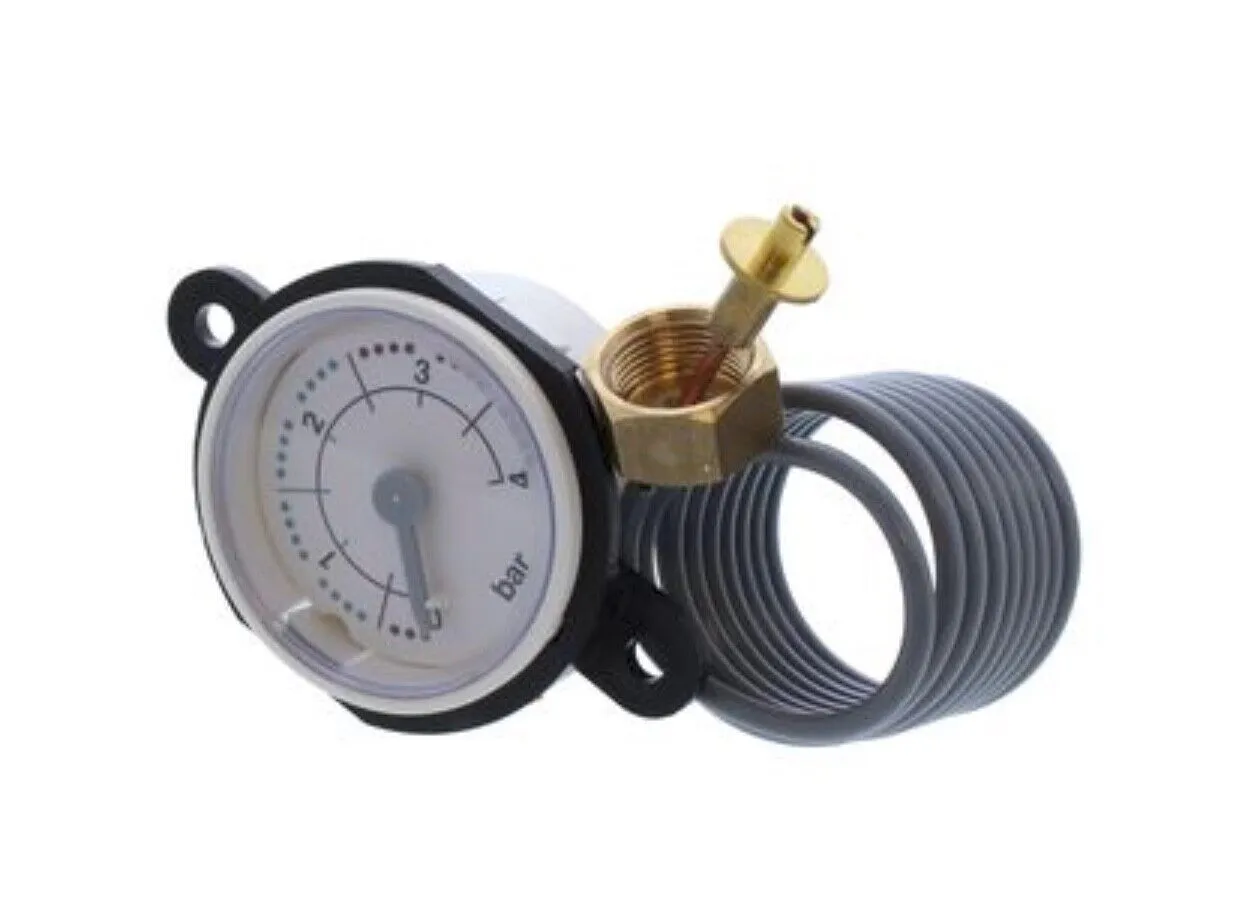
Once all required radiators have been bled, you must check your system's pressure gauge on the boiler or central heating unit. A significant drop in pressure indicates too much water was lost. Follow your boiler manufacturer's instructions to safely re-pressurise the system to the correct level, typically between 1 and 1.5 bar.
Turn your heating back on and allow the system to run. Carefully inspect each bled valve and the area around it for any signs of moisture or weeping over the next 24-48 hours. Any persistent drip, no matter how small, indicates a compromised valve or seal and must be addressed immediately to prevent ongoing water damage.
For insurance purposes, we advise keeping a simple log: note the date of bleeding, which radiators were addressed, and the system pressure before and after. If a leak later develops, this documented procedure demonstrates due diligence. Should a leak occur, our leak detection engineers can then focus their investigation on systemic or latent faults, rather than maintenance error, which can significantly streamline the claims process for trace, access, and repairs.
How we help with this
If the article describes a problem you actually have, these are the visits that deal with it.
- insurance leak claims
What escape of water cover pays for, and what it does not.
- central heating leak detection
For a boiler losing pressure or a circuit that will not hold.
- our full guide to leak detection
How each method works and when it is the wrong tool for the job.
Frequently asked questions
Can bleeding a radiator incorrectly void my insurance?
While not automatically voiding a policy, if a resulting leak is deemed due to negligent maintenance or improper work, your insurer may dispute the claim. Following a documented, correct procedure is key to demonstrating you took reasonable care, supporting your position in any claim.
What should I do if water won't stop coming out of the bleed valve?
Immediately tighten the valve firmly. If water continues to seep, you have a faulty valve that needs professional attention. Contain the water, turn off your heating system to reduce pressure, and contact a qualified engineer. Persistent leakage can cause significant hidden damage to floors and walls.
Why is documentation so important for insurers after bleeding a radiator?
Insurers require a clear 'trace' of events leading to damage. If a leak is later found, documented proof of correct maintenance helps establish that the leak was caused by a sudden failure or latent defect (typically covered perils) rather than poor workmanship, which can affect coverage. It provides essential context for any subsequent leak detection investigation.