Damp Patch on Ceiling: What to Do for Insurance & Claims
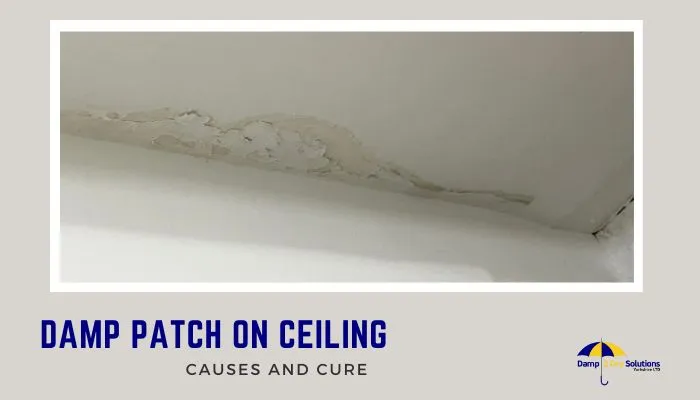
A damp patch on your ceiling is a sign of a leak. Following the correct procedure is crucial for validating your insurance claim and ensuring the cost of repairs, including trace and access, is recoverable.
Immediate Steps: Document and Mitigate
Discovering a damp patch or water stain on your ceiling is a clear indicator of an active or historical leak. Your first actions are critical for both preventing further damage and satisfying insurer requirements. Firstly, safely contain the area. Place a bucket under any active drip and move furniture or valuables. Do not attempt to dismantle ceilings or walls yourself, as this can complicate the claims process. Instead, take clear, date-stamped photographs and videos of the damp patch from multiple angles, capturing the extent of the staining and any pooling water. This visual documentation forms the essential first layer of evidence for your insurer, establishing the cause of damage as a sudden and unforeseen escape of water.
The Professional Leak Detection Process
Once documented, you must engage a professional leak detection specialist. Insurers typically require a certified, methodical approach to locate the source. Our engineers use non-invasive and minimally invasive technologies like thermal imaging, acoustic listening devices, and moisture mapping to trace the leak's origin precisely, often within concealed pipework or from neighbouring properties. This 'trace' phase is systematic and documented, providing a clear audit trail. The subsequent 'access' phase involves creating the smallest necessary openings to expose the faulty pipe or fitting for repair. This precision minimises reinstatement costs, a key factor for insurers. We provide a comprehensive report detailing the cause, location, and recommended repairs, which is the cornerstone document for your claim.
Navigating Insurance and Cost Recovery
The core of a successful claim lies in aligning the repair process with your policy's 'Trace and Access' cover. Most building insurance policies include this provision, allowing you to claim back the cost of finding the leak and making the necessary access points. The critical factor is using a specialist who understands this framework. Our reports are structured to meet insurer requirements, explicitly separating the costs of diagnostic work (trace) from the physical opening and making good (access). We work directly with loss adjusters, providing the technical justification needed for full cost recovery. By managing the process correctly from the outset, you ensure the leak is fixed permanently and the financial burden of the investigative and repair work is rightly passed to your insurance policy, protecting you from unexpected out-of-pocket expenses.
Why a Specialist Approach Matters
Attempting a DIY fix or using a general handyman for a ceiling leak often leads to incomplete repairs and claim rejection. Insurers require proof that the leak's root cause was identified and resolved by competent professionals. Our procedural approach guarantees that the source is definitively found, not just the symptom treated. This prevents recurrent damage, which insurers will not cover indefinitely. Furthermore, our precise access methodology reduces the overall repair and reinstatement bill, which keeps your claim efficient and can positively impact your policy in the long term. By following this structured path (documentation, professional trace & access, and clear reporting) you transform a stressful incident into a managed, recoverable insurance event.
How we help with this
If the article describes a problem you actually have, these are the visits that deal with it.
- damp and moisture surveys
Moisture mapping that separates a leak from condensation or damp.
- insurance leak claims
What escape of water cover pays for, and what it does not.
- our full guide to leak detection
How each method works and when it is the wrong tool for the job.
Frequently asked questions
Will my home insurance cover the cost of finding a leak in the ceiling?
Most building insurance policies include 'Trace and Access' cover as standard. This is designed specifically to cover the cost of professional leak detection (the trace) and the controlled opening of walls or ceilings to reach the leak (the access). Providing a detailed report from a specialist is key to claiming these costs back.
What should I do before the leak detection engineer arrives?
Safely document the damage with photos/videos, move belongings, and contain active drips. Crucially, do not attempt to open up the ceiling or walls yourself, as this can disturb the evidence and may lead to complications with your insurer's assessment of the claim.
What documentation will I receive for my insurance claim?
You will receive a comprehensive leak detection report. This details the methodologies used (e.g., thermal imaging), the precise location and cause of the leak, and a clear breakdown of the work undertaken for trace and access. This report is formatted to provide loss adjusters with the technical evidence required to validate and settle your claim efficiently.