Boiler Losing Pressure: Causes, Fixes, and Insurance Requirements
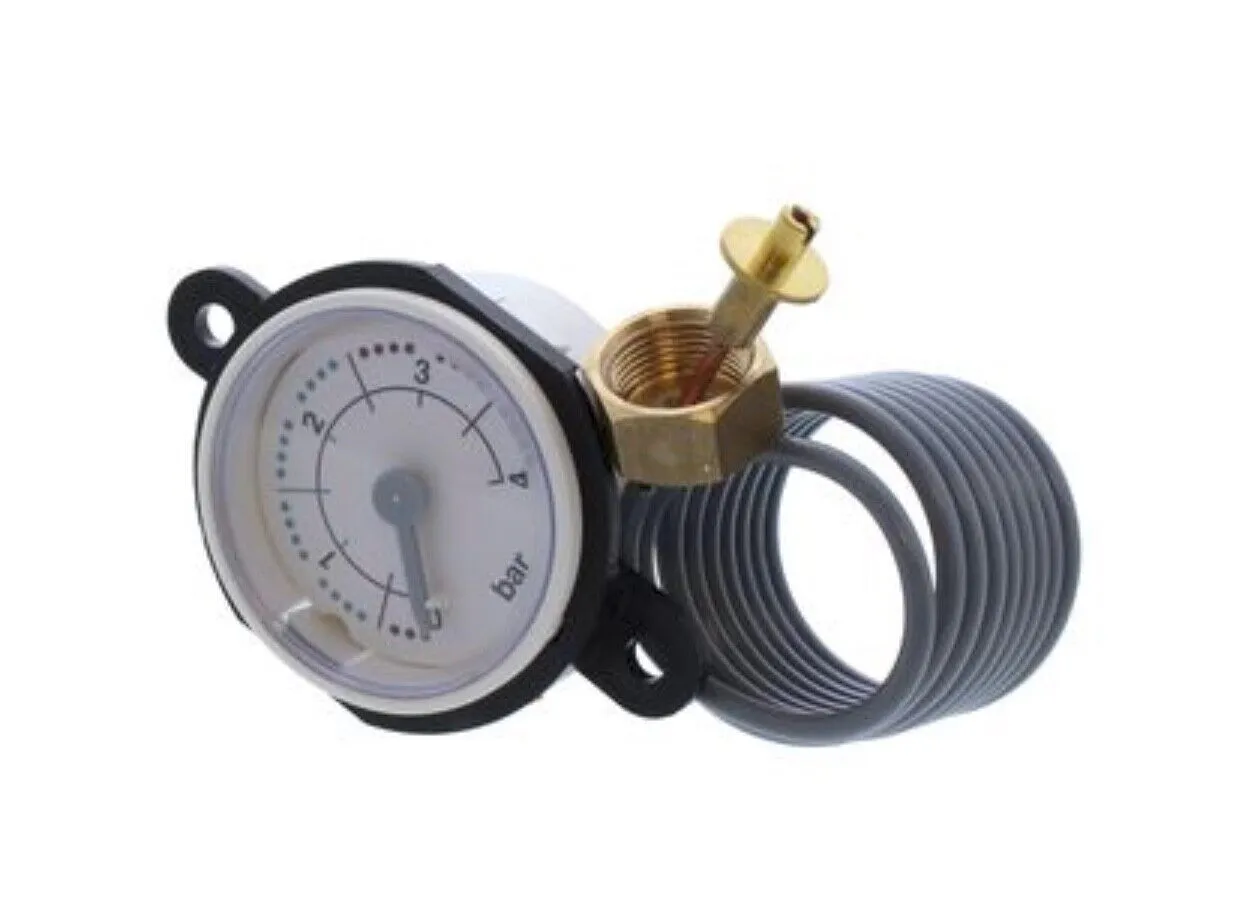
A boiler losing pressure often indicates a leak. For insurance claims, a professional trace and access report is essential for cost recovery.
Why a Losing Pressure Boiler is an Insurance Matter
When your boiler pressure keeps dropping, the immediate concern is heating failure. However, from an insurance perspective, the core issue is almost always a leak within the system. Insurers require definitive proof of the leak's location and the cause of damage before approving a claim for repairs and reinstatement. This is where professional trace and access services become critical. We don't just fix the symptom; we provide the forensic documentation your insurer needs.
Common Causes and the Path to Validation
Boiler pressure loss typically stems from leaks at fittings, radiator valves, within the boiler's internal heat exchanger, or from a faulty pressure relief valve. A dripping pressure relief valve pipe outside, for instance, suggests a component failure. While some causes are simple, insurers require a validated diagnosis. Our engineers use systematic pressure testing and specialised equipment like thermal imaging and acoustic listening devices to pinpoint the exact source, even on buried pipework under floors. This documented investigation forms the basis of your trace and access report.
The Insurance Process: Documentation and Cost Recovery
Initiating a claim for water damage from a central heating leak involves strict procedural steps. The insurer's first requirement is evidence of the leak's origin and the necessary 'access' work to reach it. Our service is designed to meet this requirement directly. We produce a comprehensive report detailing the cause, the precise location, and the methods used to trace it. This report justifies the costs of destructive investigation (like lifting floorboards or cutting into plaster) and the subsequent repairs. By managing this process, we help ensure these essential costs are recoverable under your policy, preventing disputes over claim validity.
Why Professional Leak Detection is Non-Negotiable
Attempting a DIY fix or hiring a general handyman can jeopardise your claim. Without a proper trace and access report, insurers may reject costs for investigative work or argue the damage was pre-existing. Our engineers are trained not only in leak detection but also in the evidentiary standards required by loss adjusters. We work to provide clear, unambiguous findings that streamline the claims process, giving you and your insurer confidence in the recommended remedial path. This professional approach protects your policy excess and helps secure a full and fair settlement.
If your boiler is losing pressure, treat it as a potential claim from the outset. Contact us for a diagnostic inspection that aligns with insurance protocols. We'll find the leak and build the documented case needed for a smooth cost-recovery process, from initial trace to final reinstatement.
How we help with this
If the article describes a problem you actually have, these are the visits that deal with it.
- central heating leak detection
For a boiler losing pressure or a circuit that will not hold.
- acoustic leak detection
Ground microphones and correlators on a pressurised pipe.
- insurance leak claims
What escape of water cover pays for, and what it does not.
Frequently asked questions
Will my insurance cover the cost of finding a boiler leak?
Most home insurance policies with accidental damage cover include 'trace and access' as a standard provision. This covers the reasonable costs of locating the source of a hidden leak. However, insurers require a professional report to validate these costs. Our service provides the necessary documentation to support this part of your claim.
What is a trace and access report, and why do I need one?
A trace and access report is a formal document that proves the existence, location, and cause of a hidden leak. It details the investigative methods used (e.g., pressure testing, thermal imaging) and justifies any destructive work needed to access the leak. Insurers require this report to authorise payment for both the search and the subsequent repairs to walls, floors, or ceilings opened during the process.
What should I do first if my boiler keeps losing pressure?
First, check for any obvious signs of water around radiators, pipework, or the boiler itself. Then, contact your insurer to notify them of a potential escape of water claim. Avoid attempting major repairs yourself, as this can complicate the claim. Instead, engage a specialist leak detection company like ours. We can conduct the investigation in a manner that meets insurer requirements from the start, protecting your policy position.